
Common Dog Behaviour Problems That Appear in Spring (And How to Fix Them)
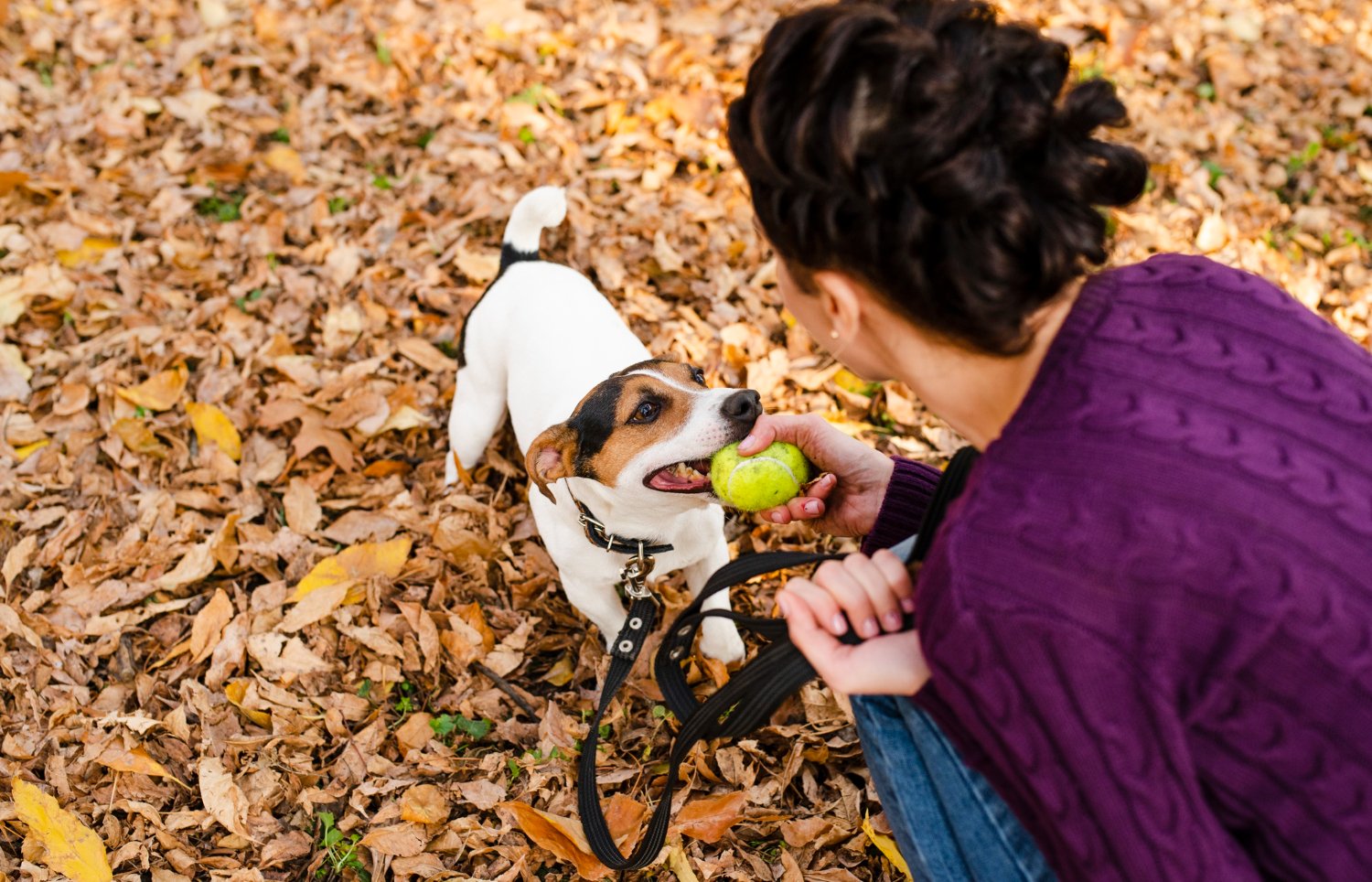
Spring is an exciting time for dog owners. The days become longer, the weather improves, and people naturally spend more time outdoors with their dogs. Parks become busier, wildlife becomes more active, and walks often become longer and more frequent.
While this change in season is great for exercise and mental stimulation, it can also highlight behavioural problems that may not have been as noticeable during the winter months. Dogs are suddenly exposed to more distractions, more social interactions, and more opportunities to react to their surroundings.
Understanding why these issues appear during spring is the first step towards addressing them. With the right structure, training, and consistency, many of these seasonal challenges can be turned into valuable training opportunities.
Increased Reactivity on Walks
During the winter, walks can often be quieter and less stimulating. As spring arrives, however, walking routes quickly become busier with other dogs, joggers, cyclists, and families enjoying the better weather.
For some dogs, this sudden increase in activity can trigger reactive behaviour. This may include barking, lunging, whining, or pulling towards other dogs and people.
Reactivity often occurs when a dog becomes overwhelmed by their environment or overly excited by the presence of other dogs. If the behaviour is not addressed early, it can quickly become a habit.
How to address it
Maintaining calm and structured walks is essential. Your dog should be encouraged to focus on you rather than reacting to everything around them. Reward calm behaviour and avoid allowing your dog to rush towards other dogs or people.
Gradual exposure can also help. Instead of immediately taking your dog to busy parks, start in quieter environments and slowly introduce more distractions as your dog becomes more comfortable.
Pulling on the Lead
Spring walks often mean more time outside and more things for your dog to explore. New smells, sights, and sounds can cause dogs to become overly excited, which frequently results in pulling on the lead.
While this behaviour may simply look like enthusiasm, constant pulling can make walks stressful and difficult to manage. It also reinforces the idea that the dog controls the direction and pace of the walk.
How to address it
Lead training should focus on calm, controlled walking. Your dog should learn that pulling does not move them forward. If the lead becomes tight, stopping or changing direction can help break the habit.
Rewarding your dog when they walk calmly beside you reinforces the behaviour you want. Consistency is key. Every walk should reinforce the same expectations so the dog clearly understands what is required.
Overexcitement Around Other Dogs
Spring brings more opportunities for dogs to encounter others during walks. While social interaction can be positive, many dogs become overly excited when they see another dog approaching.
This excitement can lead to jumping, barking, spinning on the lead, or pulling strongly towards the other dog. Although some owners see this as friendliness, it can still create stressful or unsafe situations.
How to address it
Teaching your dog to remain calm and neutral around other dogs is often more beneficial than allowing constant greetings. Practise keeping your dog focused on you when another dog passes.
Reward calm behaviour and avoid allowing your dog to rush towards every dog they see. Structured socialisation is far more effective than uncontrolled interactions.
Chasing Wildlife
Spring brings increased wildlife activity. Birds, squirrels, rabbits, and other animals become far more visible during walks, which can trigger a dog’s natural prey drive.
Dogs that previously walked calmly may suddenly attempt to chase wildlife or become highly distracted by movement in the environment.
How to address it
Recall training becomes especially important during this time of year. Practising recall regularly in controlled environments helps build reliability before introducing higher levels of distraction.
Using a long lead can also provide a safe way to practise recall while still maintaining control. This allows your dog to enjoy some freedom while you continue to reinforce their training.
Difficulty Focusing
With so many new smells, sounds, and visual distractions, many dogs find it harder to focus during training in spring. The environment itself can become more rewarding than the handler.
This can lead to frustration for owners who feel their dog is suddenly ignoring commands they previously responded to well.
How to address it
Keep training sessions short, engaging, and rewarding. High value rewards can help maintain your dog’s attention in distracting environments.
It may also help to temporarily reduce distractions and gradually increase them as your dog’s focus improves. Building engagement with the handler should always be the priority.
Turning Spring Challenges Into Training Opportunities
While spring can highlight behavioural issues, it also presents an excellent opportunity to strengthen your dog’s training. The increased variety of environments and distractions can help dogs develop better focus, stronger obedience, and improved confidence when guided correctly.
Consistency, patience, and structured training are essential. When dogs clearly understand expectations and receive the right guidance, many seasonal behaviour problems can be resolved effectively.
If your dog’s behaviour becomes more challenging during the spring months, professional training can provide the support needed to address these issues. With the right training approach, spring can become the perfect season to build better habits and strengthen the relationship between you and your dog.